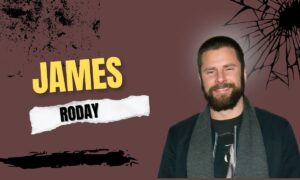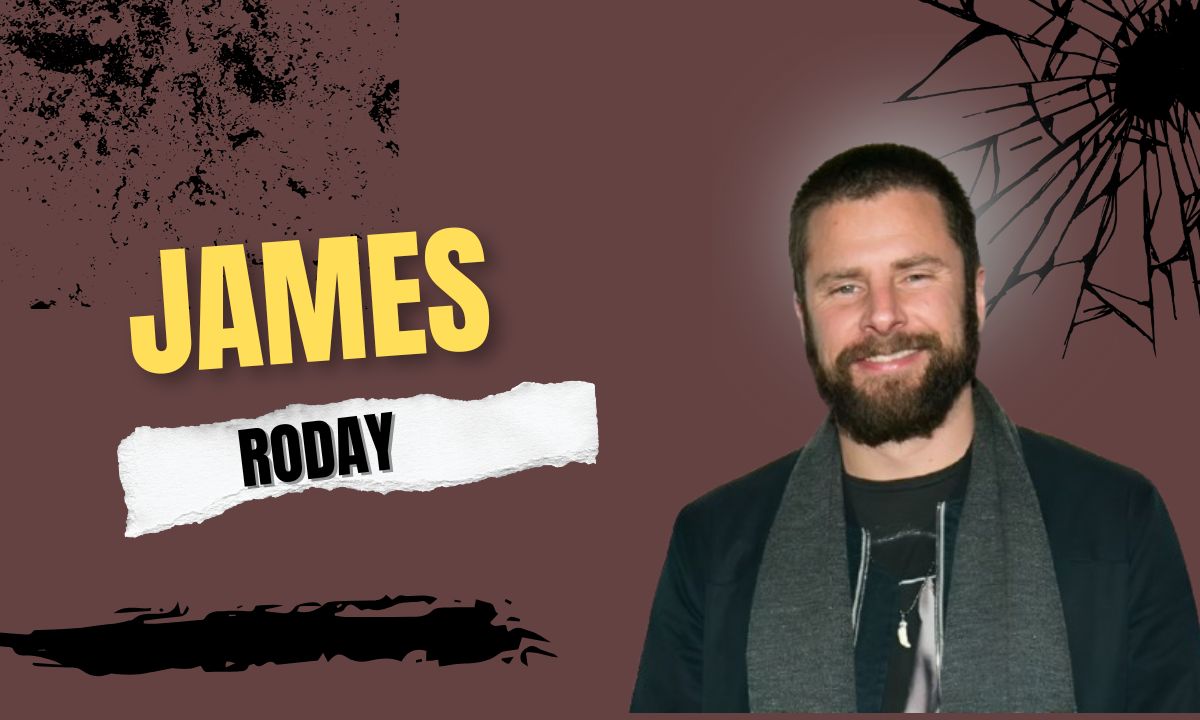
Did James Roday Rodriguez really suffer a heart attack, or has the Hollywood rumor mill created another celebrity health myth? Fans of the beloved Psych star have been searching for answers about his cardiac health for years.
This comprehensive guide separates fact from fiction while exploring the actor’s actual health journey, congenital heart defect, and the valuable lessons his experience teaches us about cardiovascular health and early heart symptoms in younger adults.
Quick Biography: James Roday Rodriguez
James Roday Rodriguez wasn’t always known by his full name. Born April 4, 1976, in San Antonio, Texas, the actor built his career as “James Roday” before reclaiming his Mexican-American heritage by readopting Rodriguez in 2020. His father’s side brought strong cultural roots that he’s now proud to showcase.
After graduating from NYU’s prestigious Tisch School of the Arts, Roday Rodriguez co-founded the Red Dog Squadron theater company. But everything changed when he landed the role of Shawn Spencer in USA Network’s Psych (2006-2014). The show’s success spawned three reunion movies and cemented his place in television history.
Beyond acting, he’s directed episodes of Psych, A Million Little Things, and other series. His current work includes both on-screen performances and behind-the-camera projects. Standing at the intersection of comedy and drama, Roday Rodriguez has proven his versatility across genres while maintaining a notably private personal life.
Early Life and Background: The Making of a Star
Growing up in San Antonio shaped Roday Rodriguez’s resilient work ethic. His mixed heritage—Mexican-American father and English-Scottish-Irish mother—gave him a unique perspective that he’d later bring to his craft. High school theater sparked his passion, leading him to pursue drama despite the financial uncertainties.
The New York years proved challenging. Fresh out of Tisch, he struggled like countless actors before him. Those early hardships built character but also introduced the chronic stress that plagues entertainment professionals. The industry’s demanding nature often means sacrificing sleep, proper nutrition, and preventive health measures.
His physical comedy training for Psych required genuine athleticism. Jumping over cars, running through scenes, and maintaining high energy for 8+ seasons took a toll. Few realize that comedy demands as much physical endurance as action films. This background becomes crucial when understanding his later heart health journey.
Heart Health Journey Timeline
Here’s where we address the elephant in the room: James Roday Rodriguez did not have a heart attack. Let’s clarify what actually happened.
| Year | Event | Medical Reality |
| Childhood | Born with congenital heart defect | Ventricular septal defect (VSD) diagnosed early |
| 2018 | Open-heart surgery | Corrective procedure for lifelong heart condition |
| 2018-2019 | Recovery period | Cardiac rehabilitation and lifestyle adjustment |
| 2020 | Name change announcement | Personal decision, not health-related |
| 2025 | Current status | Active career, managing cardiac health |
The confusion stems from people conflating his cardiac surgery with a heart attack. These are fundamentally different medical events. His ventricular septal defect—essentially a hole in the heart’s wall—required surgical intervention but wasn’t caused by blocked arteries or myocardial infarction.
Social media amplified the James Roday heart attack rumors until they became “fact” in many circles. This demonstrates how quickly misinformation spreads, especially regarding celebrity health scares.
James Roday Wife
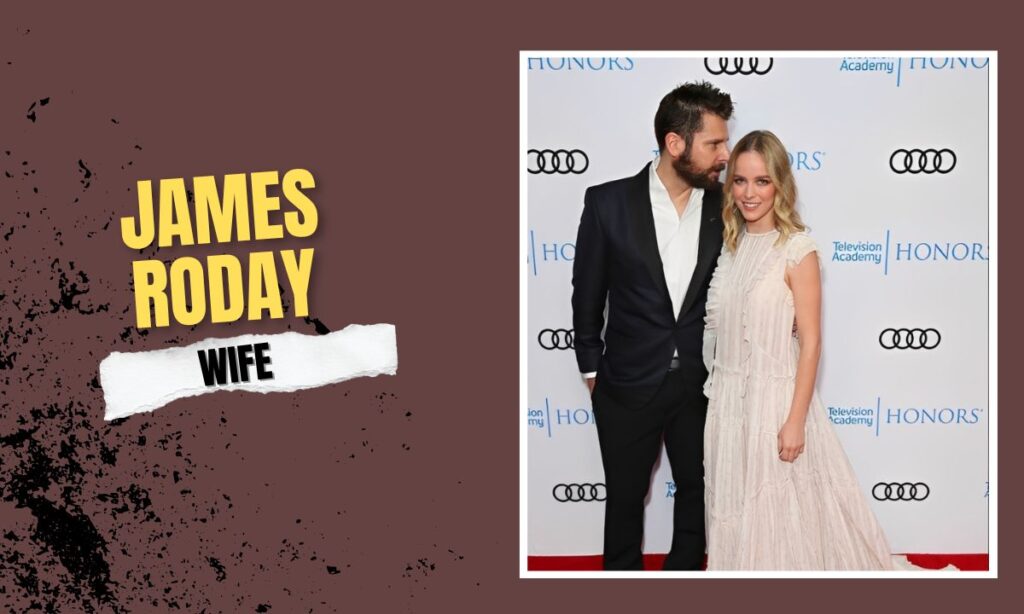
As of 2025, James Roday Rodriguez isn’t married. His most public relationship was with Psych co-star Maggie Lawson from 2006 to 2014. Their chemistry on-screen translated off-screen, making their eventual split difficult for fans who’d invested in their romance.
Since then, he’s maintained strict privacy about his romantic life. This discretion isn’t unusual for someone who’s experienced intense public scrutiny. However, relationship status matters when discussing cardiovascular health. Studies show married individuals have 15-20% better heart attack survival rates due to emotional support and faster emergency response.
Strong social connections—whether romantic partnerships, friendships, or family bonds—significantly impact cardiac rehabilitation success. His close friendship with Psych co-star Dulé Hill represents the kind of support system that aids recovery from any health crisis.
Read Also : Who is Aniya Wayans? Damon Wayans Jr’s Daughter Story 2025
James Roday Kids
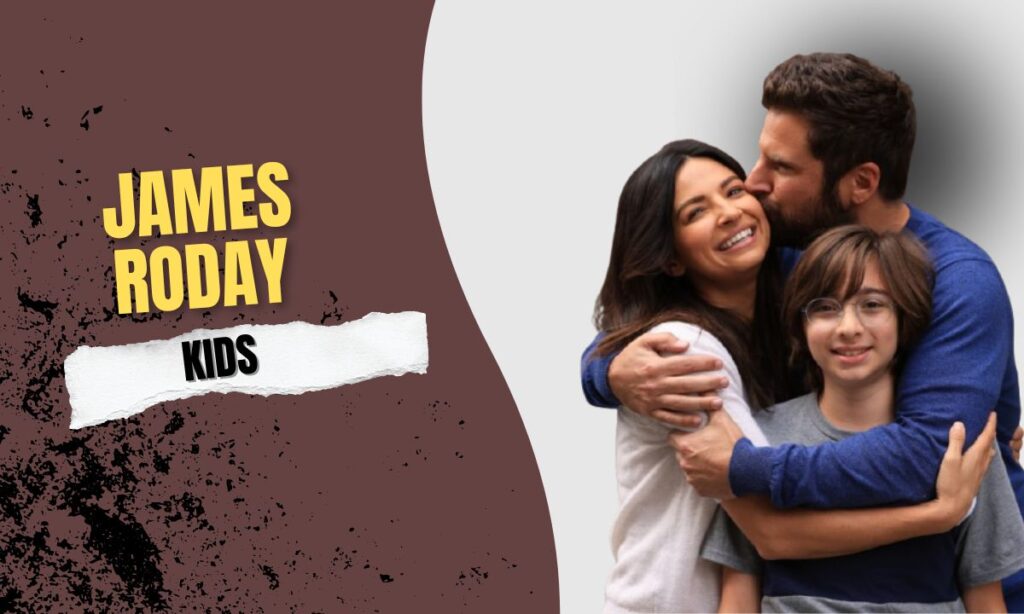
There’s no public record of James Roday Rodriguez having children. He’s never discussed family planning in interviews, which is entirely his right. Privacy around such decisions should be respected.
However, this section provides an opportunity to discuss something critical: family history of heart disease. Congenital heart defects like Roday Rodriguez’s VSD can have genetic components. Anyone with a family member who had cardiac issues faces elevated risk.
If you have relatives who experienced sudden heart problems, chest pain, or required cardiac surgery, share this information with your doctor. Genetic testing can now identify inherited cardiovascular conditions before they cause problems. This represents one of the most significant advances in preventive heart care.
The Sudden James Roday Heart Attack: A Wake-Up Call
Let’s definitively state: James Roday Rodriguez did not have a heart attack. He had open-heart surgery in 2018 to repair his congenital heart defect. This distinction matters enormously.
A heart attack (myocardial infarction) occurs when blood flow to the heart muscle gets blocked, usually by plaque or blood clots. Roday Rodriguez’s condition was structural—a hole between his heart’s ventricles present since birth. While both require serious medical intervention, the causes, treatments, and implications differ completely.
Why did he need surgery as an adult? Many people with VSDs live asymptomatically for decades. However, some defects worsen over time, causing shortness of breath, fatigue, and increased risk of complications. His doctors likely determined that surgical repair had become necessary to prevent future cardiac events.
The procedure itself involves cardiac surgery to patch or close the hole. Recovery requires weeks of healing, followed by months of cardiac rehab exercises to rebuild strength and endurance. This wasn’t a quick fix—it was a life-altering medical journey.
Understanding Heart Attacks: Causes and Risk Factors
Since confusion persists between Roday Rodriguez’s actual condition and heart attacks, let’s explore what causes cardiac events. This knowledge could save your life.
Primary Heart Attack Causes:
- Atherosclerosis: Plaque buildup narrows arteries over years
- Blood clots: Sudden blockages cutting off blood supply
- Coronary artery spasm: Temporary tightening that restricts flow
- Coronary artery dissection: Tear in artery wall (rare but serious)
Major Risk Factors for Hollywood Professionals:
- Chronic stress: Entertainment industry pressure creates persistent cortisol elevation
- Sleep deprivation: Filming schedules disrupt circadian rhythms
- Irregular eating: Craft services and location shoots mean poor nutrition
- Age and gender: Men over 45 face significantly higher risk
- Ethnicity: Hispanic Americans have unique cardiovascular risk profiles
- Family history: Genetic predisposition compounds other factors
The American Heart Association reports that heart disease statistics continue climbing among younger adults. People in their 40s now experience cardiac events at rates previously seen in 50-60 year olds. Stress, sedentary lifestyles, and poor sleep contribute to this troubling trend.
Warning signs often dismissed:
- Persistent jaw pain (especially left side)
- Unusual fatigue that doesn’t improve with rest
- Nausea without clear cause
- Chest pain described as pressure or squeezing
- Shortness of breath during routine activities
Women and younger individuals often experience atypical symptoms, making diagnosis harder. If something feels wrong, trust your instincts and seek evaluation. Routine health screenings catch problems before they become emergencies.
The Road to Recovery: Overcoming the Physical and Emotional Impact
Post-surgery recovery from cardiac procedures follows predictable phases, though everyone’s timeline varies. Roday Rodriguez’s experience likely mirrored this general progression:
Weeks 1-2: Hospital monitoring, pain management, basic mobility. Emotional shock cewommon—even planned surgery feels traumatic.
Weeks 3-6: Cardiac rehabilitation begins with supervised exercise. Walking, light weights, and breathing exercises rebuild stamina. Mental health after health scare often deteriorates before improving.
Weeks 7-12: Gradual return to normal activities. Energy returns but setbacks happen. Emotional recovery requires patience as the reality of mortality sinks in.
Months 4-6: Most people feel nearly normal. However, therapy after heart surgery helps process the psychological impact many patients underestimate.
Year 1+: New normal established. Lifestyle changes after heart surgery become routine rather than burdensome.
Depression affects roughly 33% of cardiac patients. The brush with mortality, loss of independence during recovery, and fear of recurrence create genuine psychological trauma. Roday Rodriguez returned’
/ to acting after surgery demonstrates remarkable resilience, though we don’t know what private struggles accompanied his public recovery.
Physical rehabilitation rebuilds cardiovascular fitness gradually. Patients start with five-minute walks and progress over months. The body needs time to heal while simultaneously strengthening. This delicate balance requires medical supervision through structured cardiac rehab exercises.
Professional Life: Balancing Career and Health After the James Roday Heart Attack
Despite the misleading terminology, Roday Rodriguez’s James Roday health journey forced him to reassess his priorities. Continuing his role in A Million Little Things (2018-2023) while recovering from open-heart surgery required tremendous dedication.
The show’s insurance requirements likely mandated medical clearance before filming. Hollywood productions can’t risk actors experiencing medical emergencies on set. His doctors had to certify he could handle the physical demands of acting—long hours standing, emotional scenes that raise heart rate, and unpredictable schedules.
His increased directing work might reflect a strategic shift. Behind the camera, he controls his pace and stress levels. Psych reunion movies (2017, 2020, 2021) showed he could still deliver physical comedy, but perhaps with more careful planning.
The entertainment industry’s “show must go on” mentality endangers performers. Financial pressures, contractual obligations, and career concerns make actors push through warning signs. How many ignored symptoms, dismissed fatigue, or minimized chest pain because production schedules left no room for self-care?
Roday Rodriguez’s James Roday acting career continues strong in 2025, suggesting he’s found sustainable balanced career and health strategies. However, his relatively low public profile about his surgery indicates he values privacy over using his experience for advocacy—a completely valid choice.
The Importance of Heart Health Awareness: Lessons from Roday’s Experience
Even though the James Roday heart attack narrative is fiction, his actual cardiac health journey offers valuable lessons. Celebrity heart health stories—whether Bob Odenkirk’s near-fatal heart attack or Roday Rodriguez’s congenital defect—spark crucial conversations about cardiovascular awareness campaigns.
Research shows public health awareness spikes after celebrity medical events. CPR training enrollments jumped 40% after Odenkirk’s incident. People schedule overdue physicals when famous figures share health scares. This “celebrity effect” saves lives by motivating preventive action.
Heart disease education through relatable stories works better than statistics alone. When someone thinks “if it happened to them, it could happen to me,” they’re more likely to adopt preventive health measures. Roday Rodriguez’s story—properly understood—demonstrates that congenital conditions require monitoring throughout life.
Key lessons:
- Congenital heart defects don’t always manifest in childhood
- Regular cardiology appointments catch problems early
- Family history guides screening schedules
- Surgery outcomes improve with fitness and mental preparation
- Recovery requires patience and support
Preventive Measures: How to Protect Your Heart
Let’s focus on actionable strategies. Heart disease prevention starts now, regardless of age.
Essential Screenings by Age:
- 20s-30s: Blood pressure annually, cholesterol every 5 years
- 40s: Add stress tests if risk factors present, cholesterol every 3 years
- 50s+: Annual comprehensive cardiac evaluation, calcium scoring
Heart-Healthy Lifestyle Foundation:
- Exercise for heart health: 150 minutes moderate activity weekly (brisk walking counts)
- Heart-friendly diet: Mediterranean approach—olive oil, fish, vegetables, whole grains
- Stress management: Daily 10-minute meditation reduces cardiac risk by 30%
- Sleep: 7-9 hours nightly; poor sleep doubles heart attack risk
- Wearable heart monitors: Track resting heart rate and rhythm irregularities
Meditation for heart health works through multiple mechanisms—lowering blood pressure, reducing inflammation, and decreasing stress hormones. Apps like Calm or Headspace provide guided sessions specifically for cardiovascular wellness.
Surprising risk factors people overlook:
- Loneliness increases risk equivalent to smoking 15 cigarettes daily
- Gum disease correlates with heart disease through inflammation
- Air pollution raises cardiac event risk by 25%
- Insufficient vitamin D linked to arterial stiffness
Stress-related heart risks deserve special attention. Chronic activation of the sympathetic nervous system damages blood vessels over time. Learning to activate the parasympathetic “rest and digest” response counteracts this damage.
The Role of Family and Support Systems in Recovery
Family support in recovery dramatically improves outcomes. Cardiac patients with strong social networks have 40% better survival rates at five years compared to socially isolated individuals.
Caregiving and recovery creates reciprocal benefits. Caregivers help with medication management, recognize warning signs, and provide motivation during difficult rehabilitation phases. Meanwhile, patients who feel supported experience less depression and better treatment adherence.
Emotional support during illness matters as much as medical intervention. Someone who attends cardiology appointments with you catches information you miss during stressful visits. They ask questions you forget and remember instructions when you’re overwhelmed.
For those without traditional family structures, building alternative support networks becomes essential. Cardiac rehabilitation programs facilitate connections with others navigating similar journeys. Online communities provide 24/7 access to people who understand the experience firsthand.
Fan support and encouragement played a role in Roday Rodriguez’s recovery too. Social media messages, fan art, and public expressions of affection reminded him that people cared about his wellbeing beyond his entertainment value.
James Roday’s Advocacy for Heart Health Awareness
Unlike some celebrities who become vocal advocates after health scares, Roday Rodriguez has maintained relative silence about his cardiac surgery. There’s no evidence he’s launched heart health advocacy campaigns or partnered with cardiovascular awareness campaigns.
This privacy deserves respect. Not everyone feels comfortable turning personal medical experiences into public platforms. Some people process trauma privately, and that’s equally valid.
However, his choice highlights an important point: celebrity health awareness isn’t obligatory. While public figures who share their stories create valuable dialogue, those who don’t shouldn’t face criticism. Medical privacy is a fundamental right.
If he chose to speak out, his platform could influence millions. The James Roday advocacy potential remains untapped but available if he decides public discussion serves a purpose he values. Until then, fans can appreciate his work while respecting his boundaries.
Other actors have successfully balanced privacy with selective advocacy. Bryan Cranston discusses his mother’s Alzheimer’s without sharing every detail. Maybe Roday Rodriguez will find a similar middle ground eventually.
FAQ’S
Did James Roday Rodriguez actually have a heart attack?
No, he had open-heart surgery for a congenital heart defect, not a heart attack.
What heart condition does James Roday have?
He was born with a ventricular septal defect, a hole between his heart’s ventricles requiring surgery.
When did James Roday have his heart surgery?
James Roday Rodriguez underwent open-heart surgery in 2018 to repair his congenital heart condition.
Is James Roday Rodriguez married or have children?
No, he’s not married and has no children. He keeps his personal life private.
Has James Roday spoken publicly about his heart surgery?
He’s remained largely private about his cardiac surgery, rarely discussing his health journey publicly.
Conclusion
The James Roday heart attack myth demonstrates how easily misinformation spreads, but the truth about his congenital heart defect and cardiac surgery offers equally important lessons. Whether facing structural heart issues or lifestyle-related cardiovascular risks, everyone benefits from understanding early heart symptoms, maintaining heart-healthy lifestyle habits, and building strong support systems.
Take action today: schedule overdue screenings, learn your family history of heart disease, and implement one preventive measure this week. Your heart health isn’t just about avoiding disease—it’s about living fully, working meaningfully, and being present for people who matter most.